


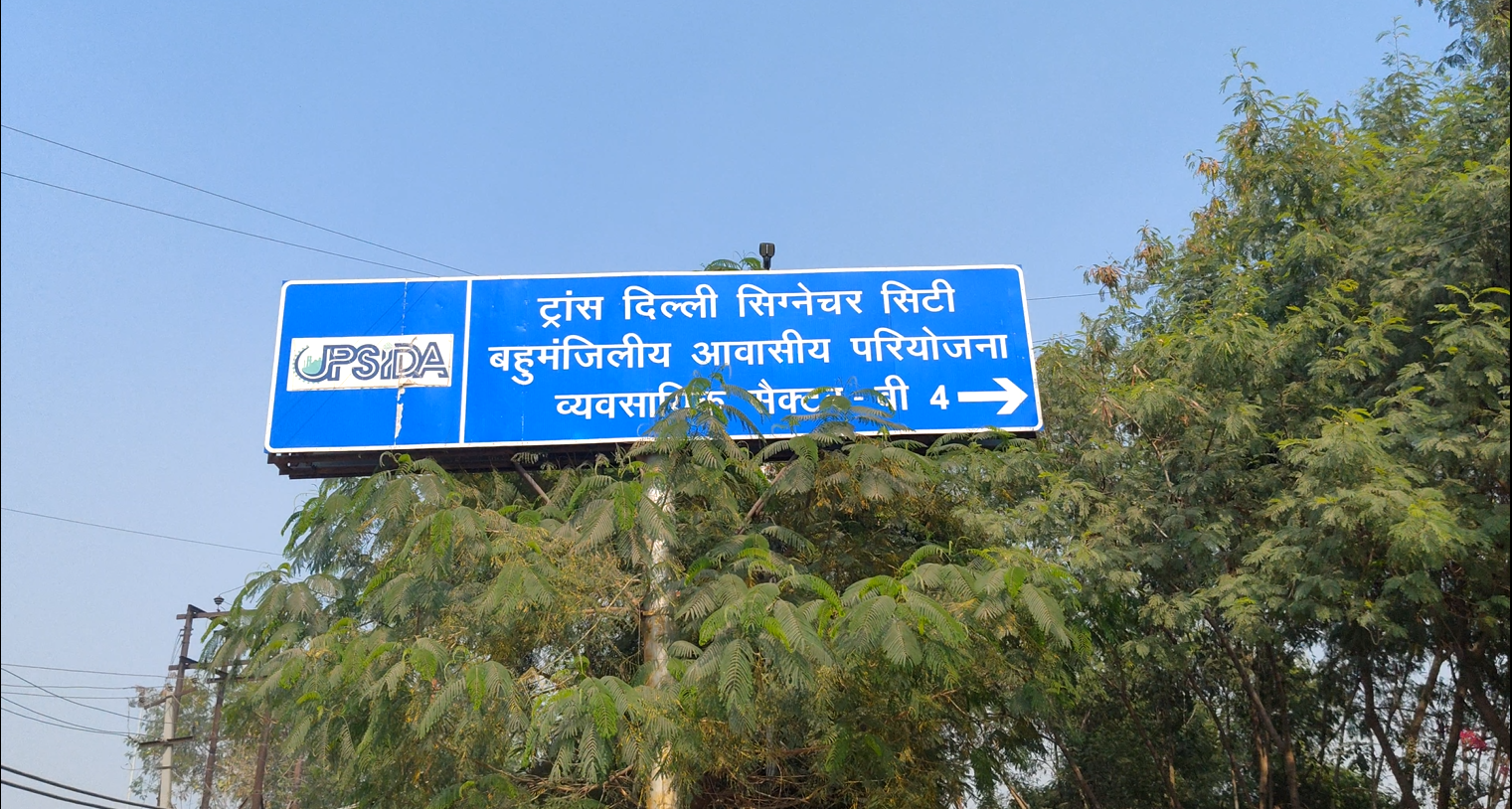
Tronica City is set to receive a major infrastructure upgrade worth ?63 crore, including a 16 MLD sewage treatment plant, road development, and footpath construction by UPSIDA. The project aims to improve drainage, reduce waterlogging, and enhance overall industrial and residential infrastructure in the area.
Tronica City is set for a significant infrastructure boost as UPSIDA prepares a major development plan focused on sewerage, roads and pedestrian infrastructure. According to recent reports, the authority is moving ahead with a proposal to build a 16 MLD sewage treatment plant (STP) in Tronica City to address long-standing sewer and waterlogging issues. Alongside this, road and footpath development works are also planned for both the residential and industrial parts of the township. The total proposed outlay for these works is around ?63 crore.
For residents, industrial unit owners and property buyers tracking Tronica City, this is more than a routine civic update. It is a development that could improve daily livability, industrial efficiency and the long-term perception of the area as an investment destination.
The proposed infrastructure push in Tronica City is centred around two key upgrades. The first is a 16 MLD sewage treatment plant, estimated to cost around ?43 crore. The second is a package of road and footpath works worth approximately ?20 crore across the industrial and residential sectors of the area. Reports indicate that the STP proposal has been linked to the need for a stronger sewerage system, while the road and pedestrian upgrades are aimed at improving internal infrastructure quality.
In practical terms, this means Tronica City could see improvements in both underground civic systems and visible surface infrastructure—two areas that directly affect residents, workers, transport movement and overall urban functionality.
One of the biggest concerns in Tronica City has been sewer overflow, drainage inefficiencies and waterlogging during heavy rainfall. Reports suggest that the currently available sewage treatment capacity in the industrial area is insufficient, which has contributed to recurring problems such as sewer blockages and water accumulation. The proposed 16 MLD STP is intended to address exactly this gap.
For an area like Tronica City, which serves both industrial and residential functions, a strong sewerage system is not just a convenience—it is core infrastructure. Poor sewage management affects roads, hygiene, business operations, movement of goods and the overall usability of the township. If the new STP is executed as planned, it could become one of the most important civic upgrades in Tronica City in recent years.
The road and footpath component of the project is equally important. In any growing township, especially one with a mix of factories, warehouses, residential plots and local commercial activity, internal roads play a major role in mobility and efficiency. Better roads mean smoother transport movement, easier employee access and reduced disruption during monsoon months.
Footpaths, though often overlooked in industrial-residential zones, also matter because they reflect a more planned and usable urban environment. If UPSIDA’s proposed road and footpath works are implemented properly, Tronica City could benefit from a more organized streetscape and better day-to-day accessibility for both residents and workers.
Tronica City is not only a residential area; it is also an important industrial zone in the Ghaziabad belt. That means infrastructure deficiencies can directly affect production, logistics and business continuity. When industrial areas face sewer backflow, damaged roads or waterlogging, the impact is felt beyond inconvenience—it can translate into delays, higher operating friction and financial losses.
In fact, recent reporting from the area highlighted how waterlogging and poor infrastructure had already affected industrial operations and caused serious concerns among entrepreneurs.
If the planned works move forward on time, Tronica City could see several business-side benefits:
Improved roads and reduced waterlogging can support smoother transport access for industrial units, delivery vehicles and employees.
A stronger sewage and drainage system may help reduce flooding-related disruption in the industrial belt.
Basic civic upgrades often improve the efficiency and perception of an industrial cluster, especially when combined with better internal roads.
Infrastructure investment usually sends a positive signal to businesses, buyers and plot holders who are evaluating the long-term prospects of an area.
The significance of this update lies in the nature of the proposed spending. This is not simply beautification work or a one-off repair drive. The investment targets the core infrastructure needs of Tronica City—sewer treatment, drainage support, roads and pedestrian pathways. These are foundational elements that influence how a township functions every day.
In many emerging industrial-residential locations, long-term growth is often held back not by lack of demand, but by weak execution of basic civic systems. If Tronica City receives a reliable STP and better road infrastructure, it can strengthen both its industrial utility and residential appeal.
For people following Tronica City from a property or investment perspective, this development is clearly worth watching. Infrastructure improvements often shape how a micro-market is perceived over time. When sewerage, roads and public infrastructure improve, it can positively affect livability, occupancy demand and buyer sentiment.
That said, infrastructure announcements should not be the only basis for a property decision. Anyone evaluating Tronica City for residential plots, industrial land, warehousing or long-term appreciation should still review:
Even so, the proposed works strengthen the case for Tronica City as an area where public infrastructure is once again becoming part of the development conversation.
The most important question now is not whether the proposal sounds promising, but how quickly and effectively it moves into execution. According to reports, the STP proposal has been linked to DPR preparation and approval processes, after which the project would move ahead for sanction and implementation.
For Tronica City, the next phase to watch will include:
If the implementation is timely and the work quality remains strong, this could become one of the most meaningful civic upgrades for Tronica City in recent years.
Tronica City has long been seen as an area with strong location and industrial potential, but also with infrastructure gaps that have limited its full momentum. The proposed ?63 crore infrastructure package, including a 16 MLD STP and road-footpath development, has the potential to address some of those long-standing issues in a more structural way.
If executed well, this plan could improve not just sewerage and road conditions, but also the broader image of Tronica City as a more functional, investment-worthy and better-managed urban-industrial zone. For residents, businesses and property watchers alike, this is a development worth tracking closely over the coming months.

